

From Indigenous Peoples to the Civil War—A Complete, Printable History Curriculum for Homeschool Families : No Textbook Needed
One of my favorite things about teaching history is watching students realize that historical events aren’t isolated stories—they’re connected.
The choices people made hundreds of years ago shaped the next generation, and then the next, until eventually those decisions helped create the world we live in today. When students begin making those connections for themselves, history becomes much more than memorizing names and dates.
It becomes a story.
That’s exactly what I wanted this Early American History curriculum to do.
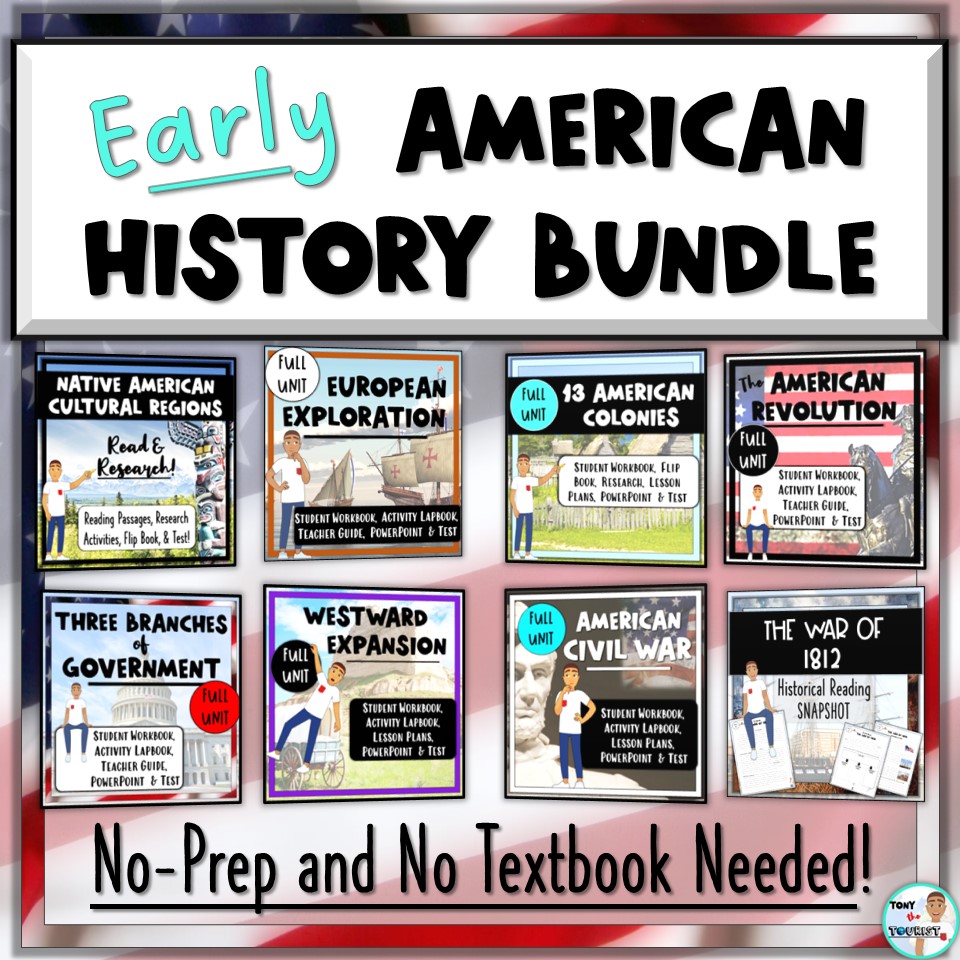
Instead of teaching disconnected events, this year-long homeschool curriculum follows the story of America from Indigenous cultures through Reconstruction, helping students understand not only what happened, but why it mattered.
A Complete Early American History Curriculum—Without the Textbook
I’ll admit it…I’ve never been a huge fan of asking students to read page after page of a heavy textbook.
After more than sixteen years in the classroom, I’ve found that students learn history best when they can read manageable sections, stop to think, discuss ideas, and then apply what they’ve learned through meaningful activities.
That’s why every lesson in this curriculum includes informational reading passages directly inside the student workbook.
No separate textbook is required.
Instead of spending time gathering resources from multiple places, everything students need is already organized into one cohesive curriculum.
Whether you’re teaching one child or several, you can spend your time learning together instead of planning.
Following the Story of Early America
One of the strengths of studying American history chronologically is that each unit naturally builds on the last.
Students begin by learning about the diverse Native American cultural regions across North America and how geography shaped the lives, traditions, and economies of different Indigenous peoples.
From there, they explore the arrival of European explorers and settlers before taking a closer look at life in the Thirteen Colonies. Along the way, they’ll discover why colonies developed differently, how geography influenced daily life, and how relationships between cultures shaped early America.
As the story unfolds, students investigate the causes of the American Revolution—not simply the events themselves, but the growing tensions that eventually led to independence. They’ll meet important historical figures, create interactive mini-books about our founding documents, and explore how the Declaration of Independence, Constitution, and Bill of Rights continue to influence our country today.
The journey continues through the development of the United States as students learn about the three branches of government, westward expansion, the Louisiana Purchase, Lewis and Clark, the Oregon Trail, the California Gold Rush, and the many opportunities and challenges that came with a growing nation.
Finally, students examine one of the most significant and difficult chapters in American history—the Civil War and Reconstruction. They explore the causes of the conflict, major battles, influential leaders, the abolition movement, and the long process of rebuilding the nation afterward.
By the end of the year, students don’t just know individual events—they understand how one event led to the next.
More Than Memorizing History
One thing I’m passionate about is helping students think like historians.
History isn’t just collecting facts.
It’s asking questions.
Looking for reliable sources.
Understanding different perspectives.
Making connections.
Throughout this curriculum, students practice important literacy skills alongside their history lessons. They’ll annotate reading passages, summarize information, identify cause-and-effect relationships, compare ideas, complete research activities, and participate in hands-on projects that reinforce what they’re learning.
These are skills they’ll continue using long after this particular history course is finished.
Designed for the Way Homeschool Families Learn
One of the things I hear most often from homeschool parents is how much they appreciate flexibility.
Some families prefer teacher-led discussions around the kitchen table.
Others have students who enjoy working more independently.
Many do a little of both.
This curriculum was intentionally designed to work in all of those settings.
Because the student workbooks contain the reading passages, directions, and activities, many learners can complete large portions independently while still creating opportunities for meaningful family discussions.
Everything is printable, and the workbooks, PowerPoints, and assessments are also Google-compatible if your family prefers digital learning.
Whether history happens at the dining room table, the library, or outside on a sunny afternoon, the lessons travel with you.
Built to Reinforce Reading and Critical Thinking
History naturally lends itself to reading, discussion, and thoughtful conversation.
That’s why every full unit includes:
- Student workbooks with informational reading passages (no textbook needed)
- Annotation and reading comprehension activities
- Guided notes and study guides
- Interactive notebook and lapbook projects
- Teacher guides with lesson plans and answer keys
- End-of-unit assessments
- Google-compatible resources for digital learning
You’ll also find engaging mini-books covering topics like the Declaration of Independence, the Constitution, the Bill of Rights, and the Abolition Movement, along with research activities that encourage students to dig deeper into important historical figures.
If you’d like to see every lesson and activity included, be sure to visit the product page for a complete list of topics and previews.
Bringing Early American History to Life
History is full of remarkable people, difficult decisions, inspiring moments, and lessons that still matter today.
My hope is that this curriculum helps students see those connections while developing the reading, research, and critical thinking skills they’ll use in every subject.
Whether your homeschool follows a traditional schedule or a history cycle, this Early American History bundle provides a complete, organized, and engaging way to explore one of the most important periods in our nation’s story.
If you’re looking for a printable homeschool history curriculum that saves planning time while helping students truly understand Early American history, I’d love for you to take a closer look.
You can explore the complete Early American History Year-Long Bundle, view sample pages, and see every lesson that’s included.
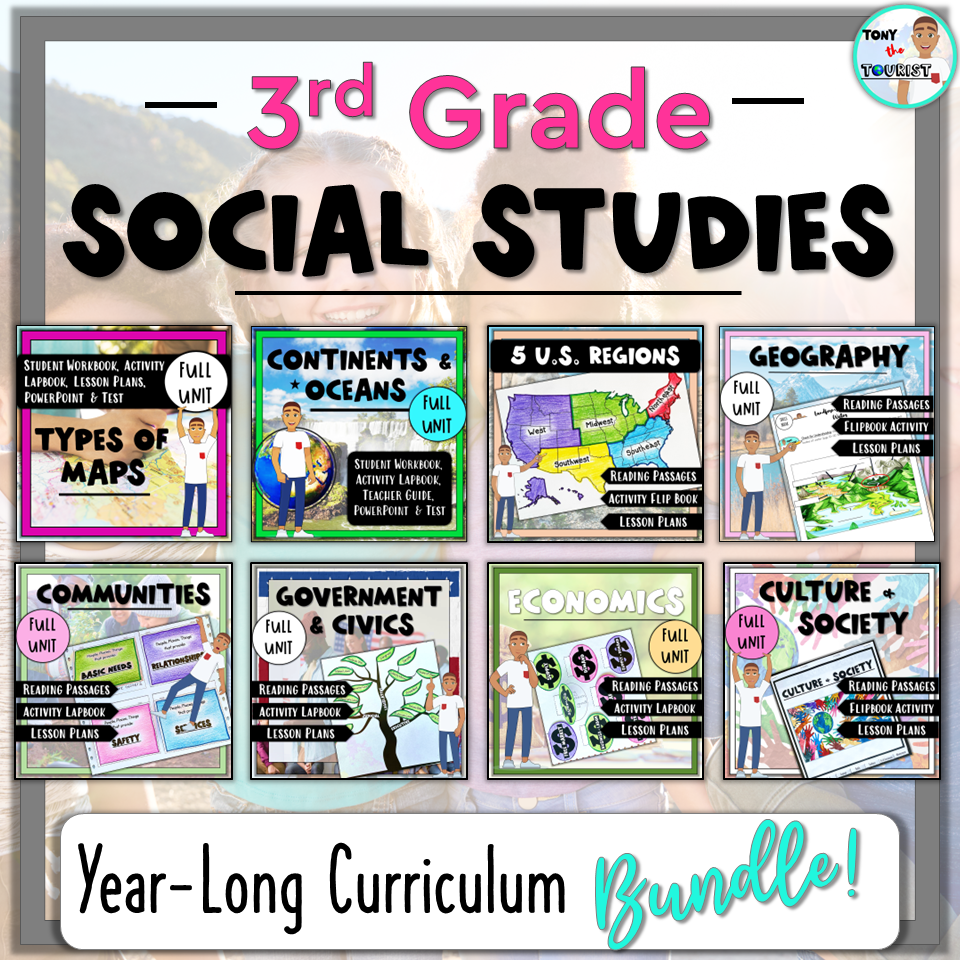
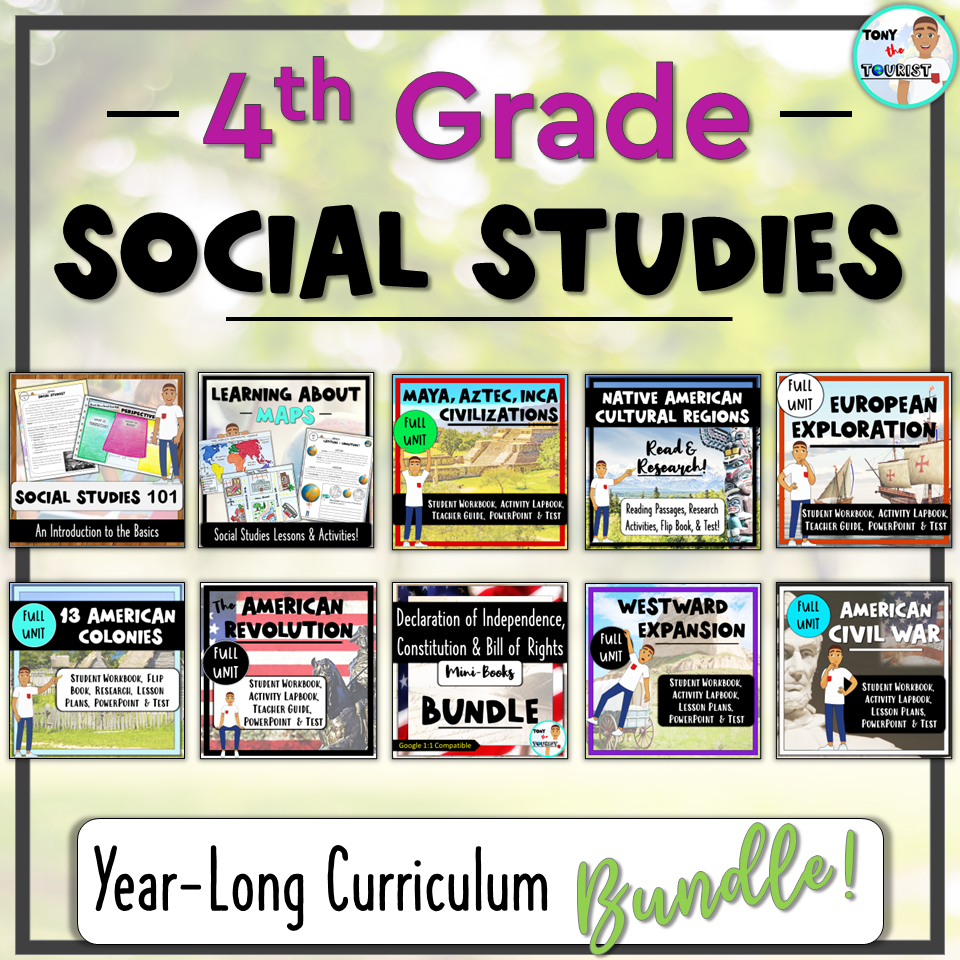
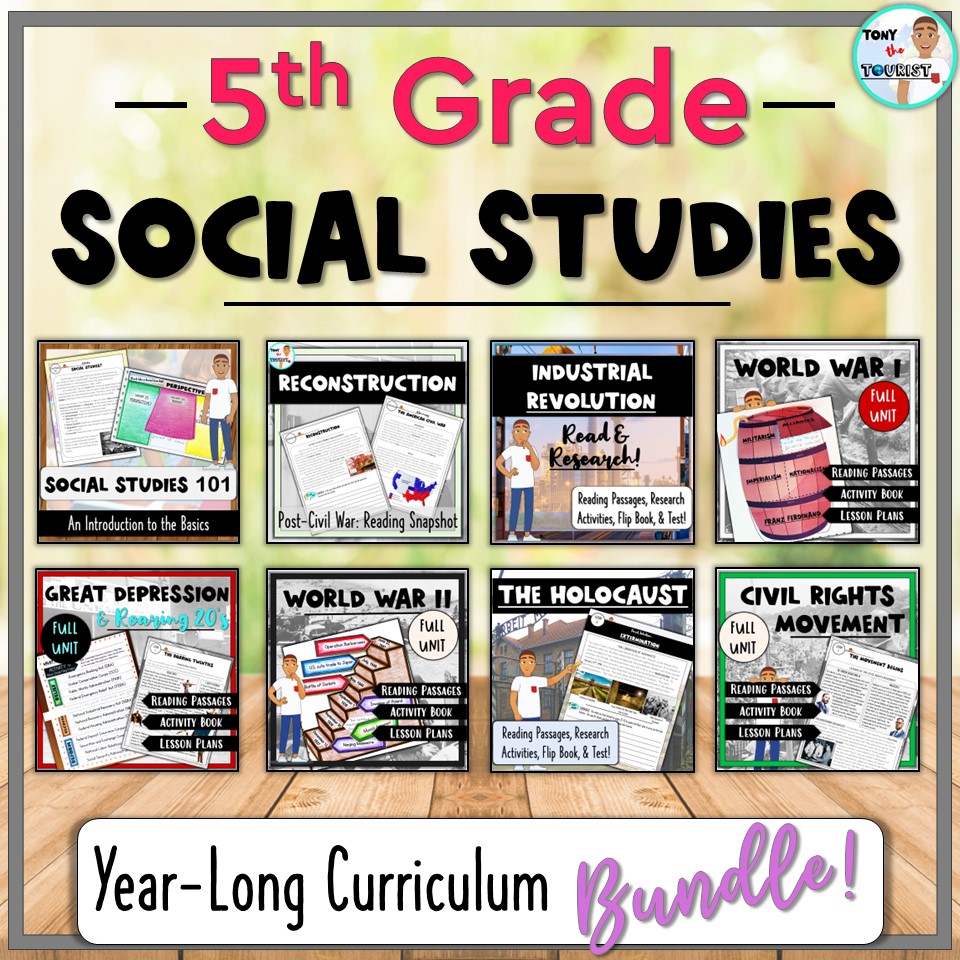
If you’re still comparing options, you may also enjoy:
OR:
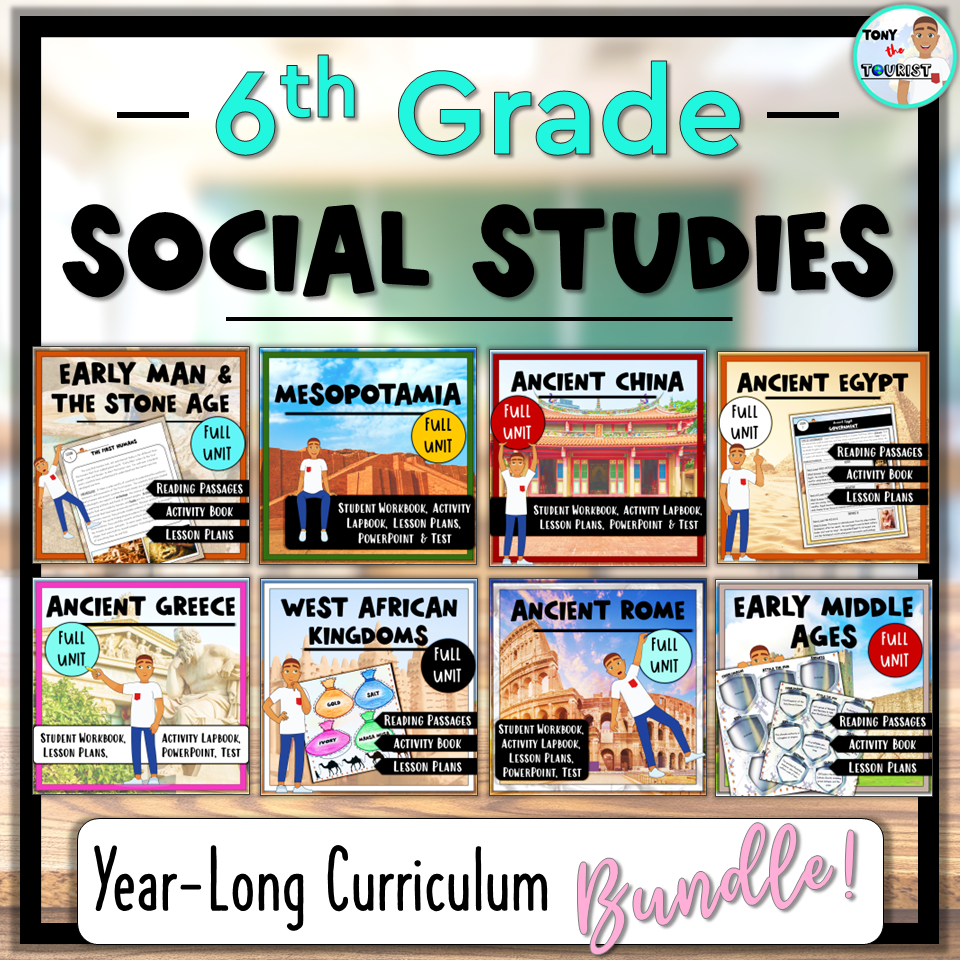
Let Tony the Tourist take care of history this year. Questions about samples or how these resources can align with your needs? Contact me!
Thanks for joining me on this journey. Stay tuned to find out where Tony will go next!