Teaching government and civics is about much more than helping students memorize the three branches of government. It’s an opportunity to help students understand how communities function, why citizens have both rights and responsibilities, and how they can make a positive difference in the world around them.
That’s exactly why I created this Government and Civics Unit—a complete, no-prep curriculum that builds civic understanding while strengthening literacy skills along the way.
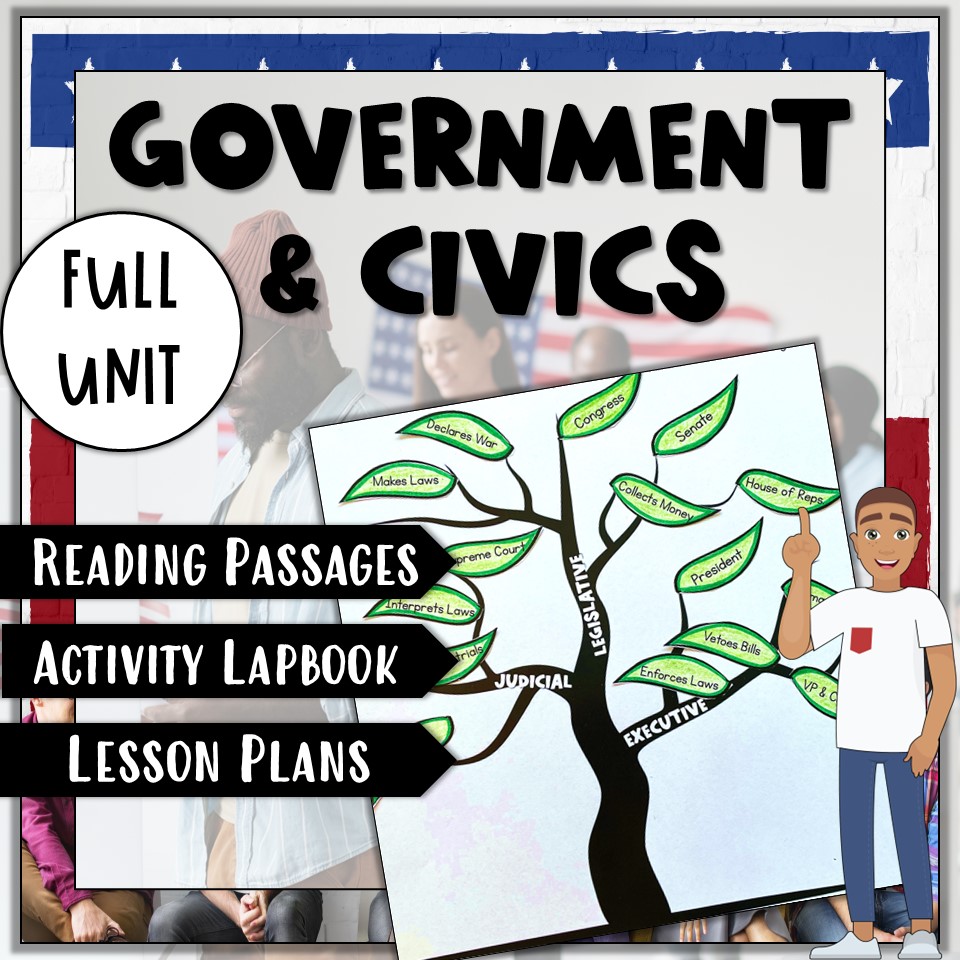
A Complete Government and Civics Curriculum Unit
One of the biggest challenges in elementary social studies is finding time to teach meaningful content while also supporting literacy instruction.
Rather than treating those as separate goals, this unit combines them naturally.
Students learn essential government and civics concepts through engaging informational reading passages while practicing important comprehension skills, including:
- Annotation
- Guided notes
- Main idea
- Summarizing
- Cause and effect
- Drawing conclusions
This follows the same Read, Reflect, Reinforce philosophy I use throughout all of my social studies resources. Students read manageable sections, pause to process what they’ve learned, and then reinforce their understanding through meaningful hands-on activities.
What’s Included in This Government and Civics Unit?
This complete curriculum unit covers the foundational government and civics concepts upper elementary students need, including:
- The purpose of government
- Democracy and different levels of government
- Federal, state, and local government
- The three branches of government
- Checks and balances
- Rights and responsibilities of citizens
- Voting and elections
- Human rights
- Social responsibility
- Discrimination, prejudice, and positive social change
Each lesson is written in student-friendly language while encouraging thoughtful classroom discussion and critical thinking.
Everything You Need for a Successful Unit
One thing teachers consistently tell me they appreciate is not having to piece together lessons from multiple sources.
Everything you need is already included:
- Student workbook with informational reading passages (no textbook needed)
- Interactive lapbook activities
- Teacher lesson plans
- PowerPoint for teacher-guided instruction
- End-of-unit assessment
- Google-compatible workbook and slides
- Answer keys and preparation checklist
Whether you’re teaching whole-group instruction, small groups, independent learners, or planning for digital learning, this curriculum is designed to be flexible without creating more work for you.
Helping Students Understand—Not Just Memorize
Government includes plenty of vocabulary and abstract concepts that can feel overwhelming to students.
That’s why every lesson gives students opportunities to interact with the content rather than simply reading about it.
Interactive notebook activities, writing prompts, vocabulary practice, and guided discussions help students process new learning before moving on. I’ve found that students retain so much more when they actively work with information instead of simply hearing it once.
The goal isn’t just remembering the names of the three branches of government—it’s helping students understand why our government works the way it does and what their role as future citizens can be.
Pair This Unit with the Charters of Freedom Mini-Books
If you’re expanding your civics instruction, this unit pairs perfectly with the Charters of Freedom Mini-Books, which explore the:
- Declaration of Independence
- U.S. Constitution
- Bill of Rights
Together, these resources help students understand not only how our government functions but also the founding documents that continue to shape our country today.
Continue Building Your Social Studies Curriculum
Government is just one piece of helping students understand the world around them.
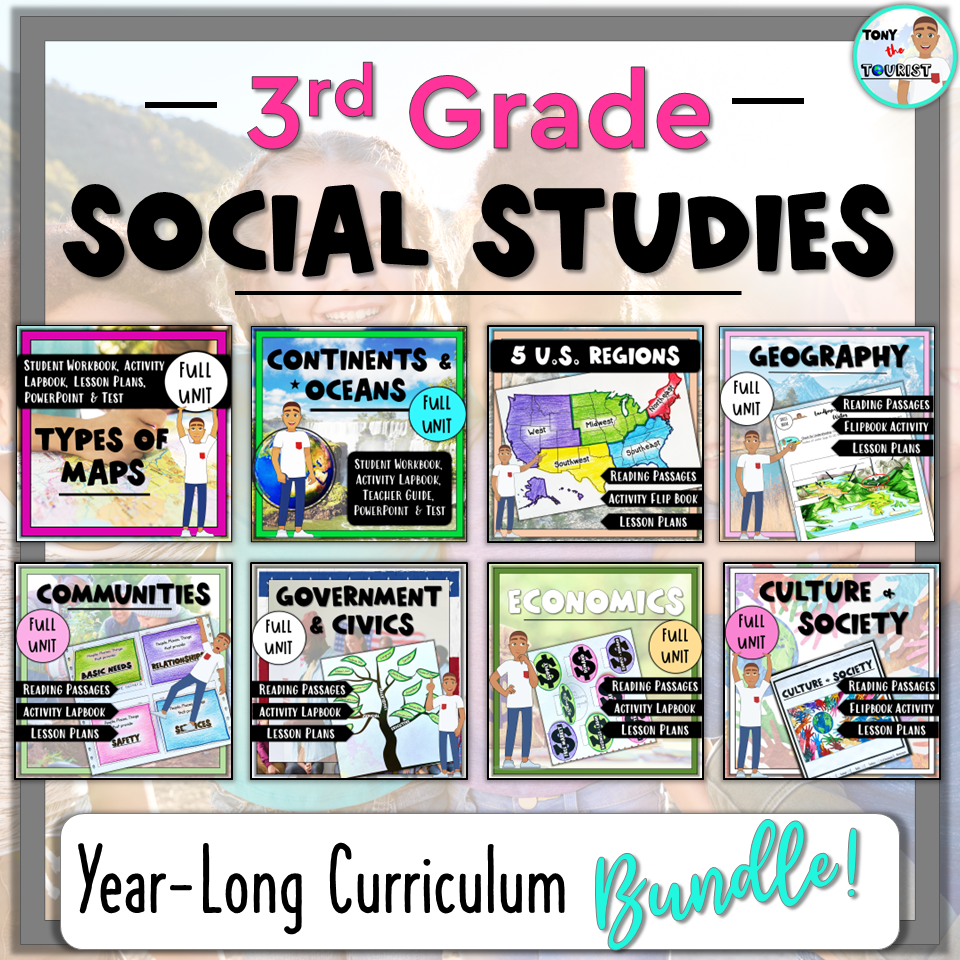
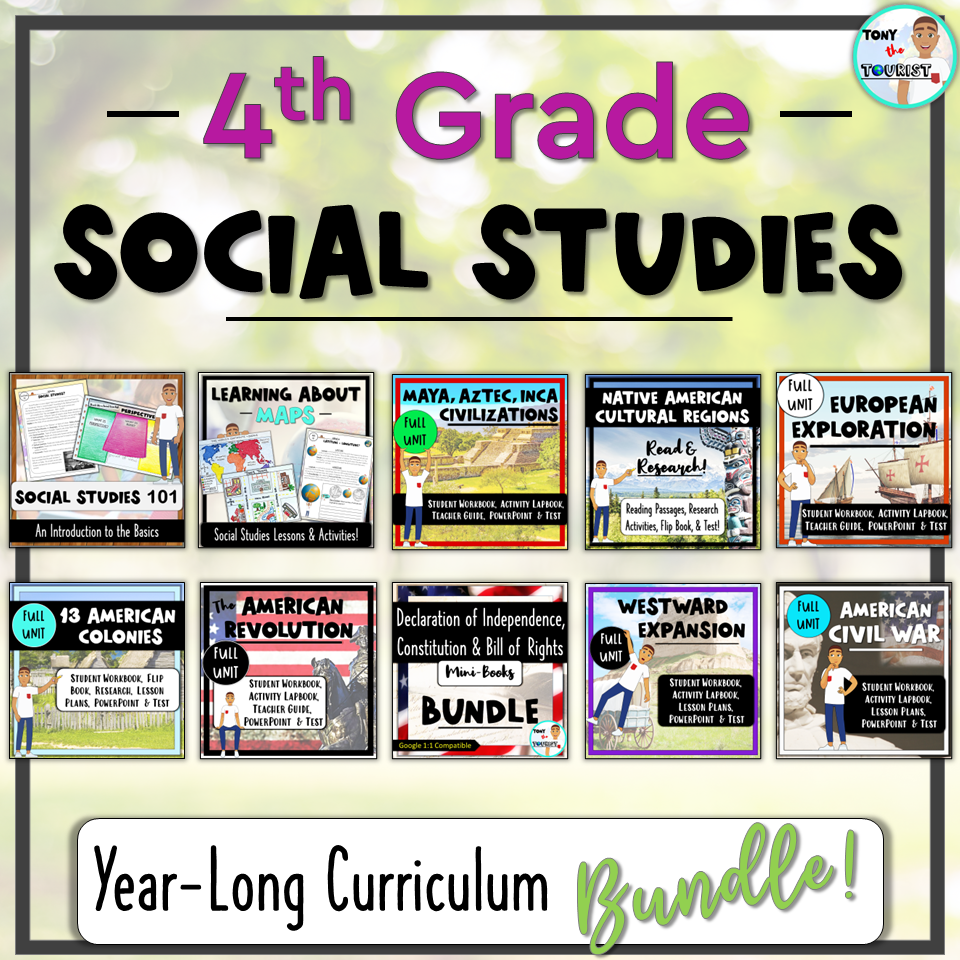
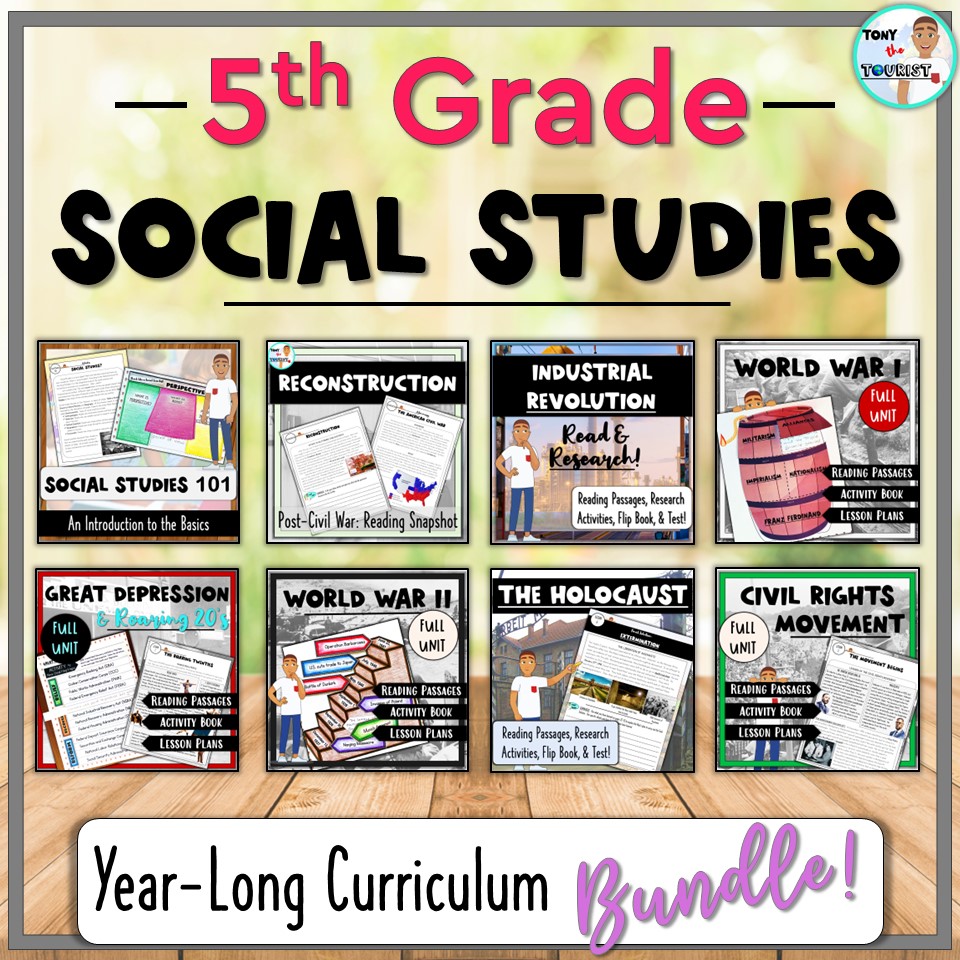
You may also enjoy these related social studies units:
Each resource follows the same classroom-tested philosophy: quality informational reading, literacy integration, interactive learning, and no-prep lessons that save teachers valuable planning time.
Final Thoughts
After years in the classroom, I’ve learned that students don’t need flashy gimmicks to learn social studies well.
They need clear explanations, opportunities to think, meaningful discussion, and activities that reinforce what they’ve learned.
If you’re looking for a Government and Civics https://tonythetourist.com/product/civics-and-government-unit-reading-passages-activities-lesson-plans-more/Unit that helps students build both strong civic understanding and reading comprehension skills—without requiring hours of prep—I hope this becomes one of your favorite resources to teach.
History helps students understand the past. Civics helps them shape the future.
Where will Tony take your students next?